
Libertarian president’s stronger peso fuels jump in illicit imports, squeezing domestic businesses
Please use the sharing tools found via the share button at the top or side of articles. Copying articles to share with others is a breach of FT.comT&Cs and Copyright Policy. Email licensing@ft.com to buy additional rights. Subscribers may share up to 10 or 20 articles per month using the gift article service. More information can be found on the Help FAQ on gift articles.
https://www.ft.com/content/18f9f4ce-e437-435e-ad8e-a043ea181161?syn-25a6b1a6=1
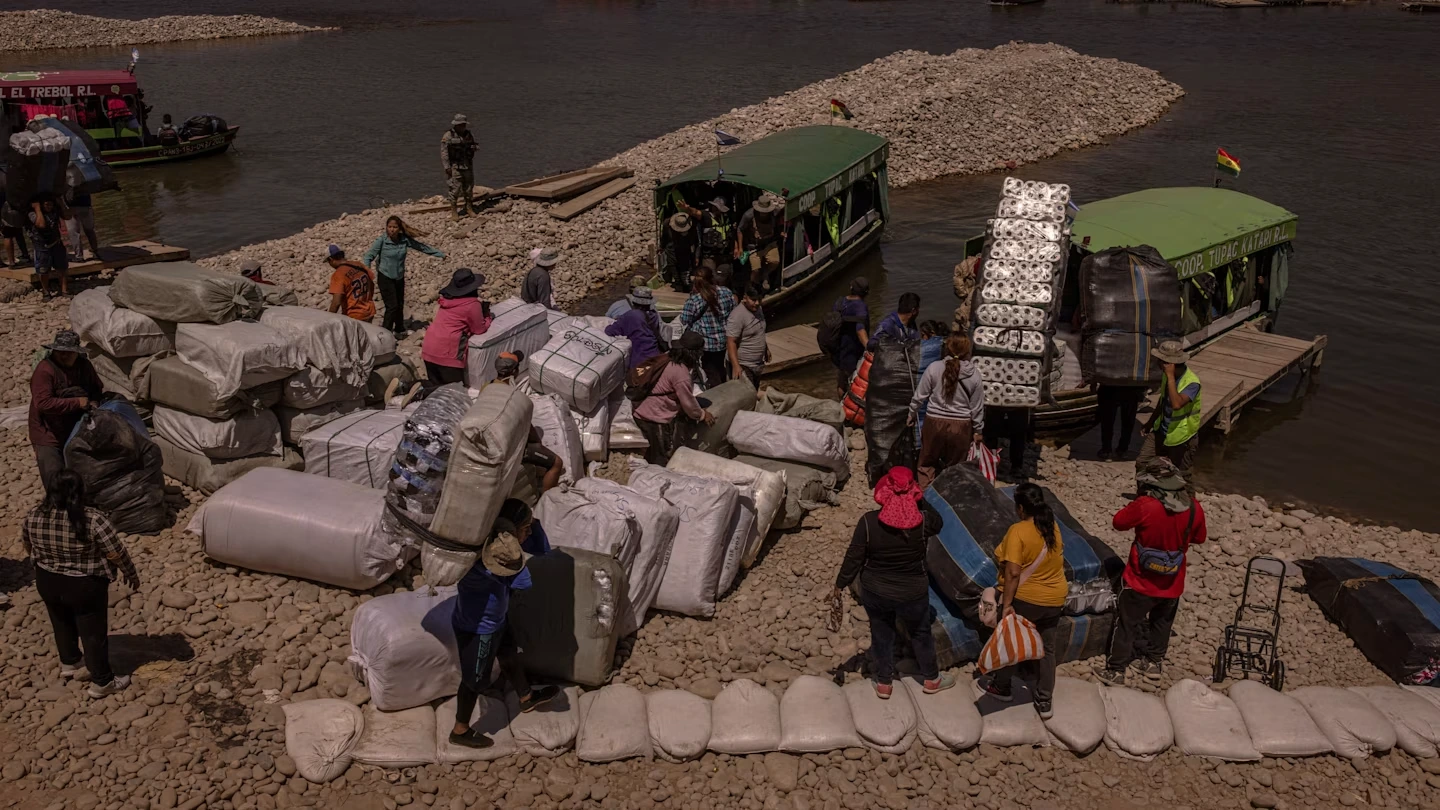
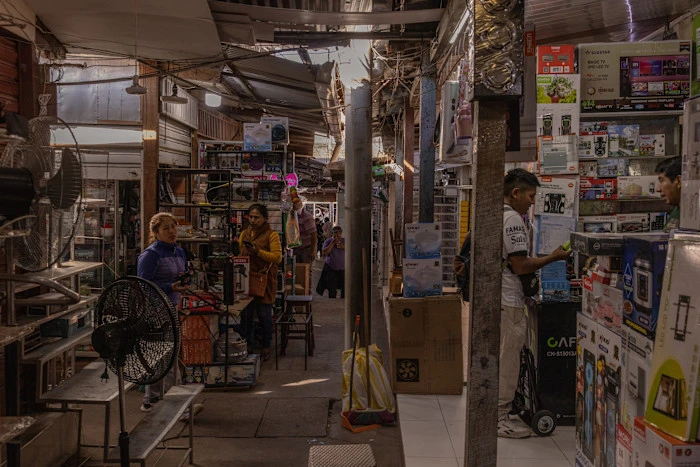
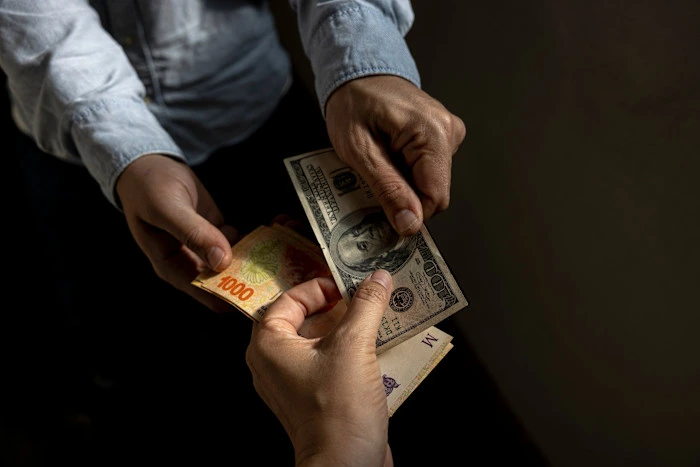
Imports of contraband whisky, clothes and mobile phones are multiplying in Argentina as smugglers take advantage of libertarian president Javier Milei’s efforts to strengthen the peso and open the economy. Vehicles carrying thousands of thermoses and Corona and Sol lagers slip past customs checks into Formosa province on the border with Paraguay. A truck stuffed to the brim with 17,000 cigarettes enters the province of Salta, near Bolivia. Influencers flaunt fake Columbia rain jackets allegedly imported by container ship. Business chambers estimate as much as 40 per cent of beers and 30 per cent of tyres sold in Argentina are contraband. The share of illegally imported mobile phones sold in the country has risen from 7 per cent of the market before Milei took office in 2023 to more than a third today, according to one lobby group’s estimate. “Never in my life have I seen so much of this stuff,” said the director of one big importer which distributes global shoe brands in Argentina and requested anonymity to discuss the sensitive subject. “Those of us who pay our taxes are getting killed because we can’t compete.” The flow of contraband — a mixture of counterfeits and legitimate products that avoid customs fees — has been boosted by the government’s campaign to slash red tape for goods entering Argentina, importers and manufacturers say. But more than anything, they acknowledge, the influx is a perverse consequence of Milei’s success in stabilising Argentina’s dysfunctional currency. Previously, the peso’s black-market exchange rate was far weaker than the official rate, making it prohibitively expensive for importers to secure dollars to buy goods off the books. As the two rates have converged under Milei, the incentive to import contraband has returned. “Having two exchange rates was terrible for the economy, but for this specific problem it wasn’t,” said Martín Rappallini, president of Argentina’s Industrial Union. “Now that we’ve unified the rates, we need to have a much stronger border to halt contraband.”
Please use the sharing tools found via the share button at the top or side of articles. Copying articles to share with others is a breach of FT.comT&Cs and Copyright Policy. Email licensing@ft.com to buy additional rights. Subscribers may share up to 10 or 20 articles per month using the gift article service. More information can be found on the Help FAQ on gift articles.
https://www.ft.com/content/18f9f4ce-e437-435e-ad8e-a043ea181161?syn-25a6b1a6=1
Contraband is one of a vast array of problems facing local manufacturers as Milei opens one of Latin America’s most closed economies. He has slashed import tariffs, anti-dumping measures and some customs regulations, and used several levers to strengthen the peso — all with the aim of lowering sky-high prices for consumer goods. The president has rejected concerns about the plight of domestic manufacturers, which have shed tens of thousands of jobs and cut production. “Obviously, if the local company can’t compete it folds and lets people go,” he said in a speech to Congress earlier this year. “But the consumer saves money . . . that can be used to buy other goods, generating new jobs in another more productive sector that will pay better salaries.” But even some importers, who expected to benefit from Milei’s reforms, said his enthusiasm for slashing bureaucracy was having unintended consequences regarding contraband. They pointed to the end of a customs stamp previously placed on many products, which was replaced with a digital system, and the end of a reference price system for goods. Milei’s officials said those rules had created unnecessary costs and provided opportunities for corruption, which analysts say have been rife at Argentina’s customs agency during successive governments. But one importer of household linens said their removal had “made it way too easy” to avoid Argentina’s heavy taxes and created new opportunities for graft. “Everyone is under-invoicing the value of their goods, and I’ve started too,” he added. “Customs officials help by providing fake companies so it’s not in my name.” If accurately reporting his goods, he would pay $90 in taxes on $100 of goods, compared with $35 by under-invoicing, he added. “I can’t compete if no one else is paying full price.” Argentina’s customs agency declined to comment. Consultancy MAP last year estimated that contraband in just seven product classes would cost $2.3bn in government revenue in 2025, 0.3 per cent of GDP, at a moment when Milei is straining to maintain his flagship pledge to balance the country’s budget.
Please use the sharing tools found via the share button at the top or side of articles. Copying articles to share with others is a breach of FT.comT&Cs and Copyright Policy. Email licensing@ft.com to buy additional rights. Subscribers may share up to 10 or 20 articles per month using the gift article service. More information can be found on the Help FAQ on gift articles.
https://www.ft.com/content/18f9f4ce-e437-435e-ad8e-a043ea181161?syn-25a6b1a6=1
“In its process of opening the economy, which I think is the right direction, the government has dismantled some regulations that should’ve stayed in place,” said Juan Pablo Ronderos, MAP’s co-founder. As well as the stronger black market peso and lighter regulations, importers said newly arrived foreign ecommerce sites may also have fuelled contraband, as small businesses abuse Milei’s new rules allowing tax-free imports — intended for personal use — to buy stock via the sites. An almost 300 per cent increase in the flow of ecommerce imports in 2025 might be overwhelming customs checks, analysts said. Ecommerce sites have also been used by smugglers to distribute goods within Argentina. One importer with exclusive rights to major whisky and vodka brands in the country said other vendors were selling those products online for 40 per cent less than his recommended retail price. “They sell more than we do, obviously.” Most illegally imported mobile phones originate in China and enter Argentina via Paraguay, said Ana Vainman, executive director of electronics chamber Afarte. Some businesses accused Milei’s government of turning a blind eye. “We’ve given them ample evidence and they don’t do anything because all they want to see is lower prices,” said the big shoe importer. Vainman, however, said industrial chambers were “in advanced talks with the government on providing some solutions”. Argentina’s deregulation ministry, trade secretariat and tax agency did not respond to requests for comment. Ronderos, of consultancy MAP, said the government seemed suspicious of businesses’ pleas for measures to combat contraband. “The government fears that what’s behind those requests is actually an attempt to close the economy again, and it is determined not to move backwards,” he said. “There’s a tussle there.”











Leave a comment